Winning More Through Tactical Card Selection
17 July 2026 | 216
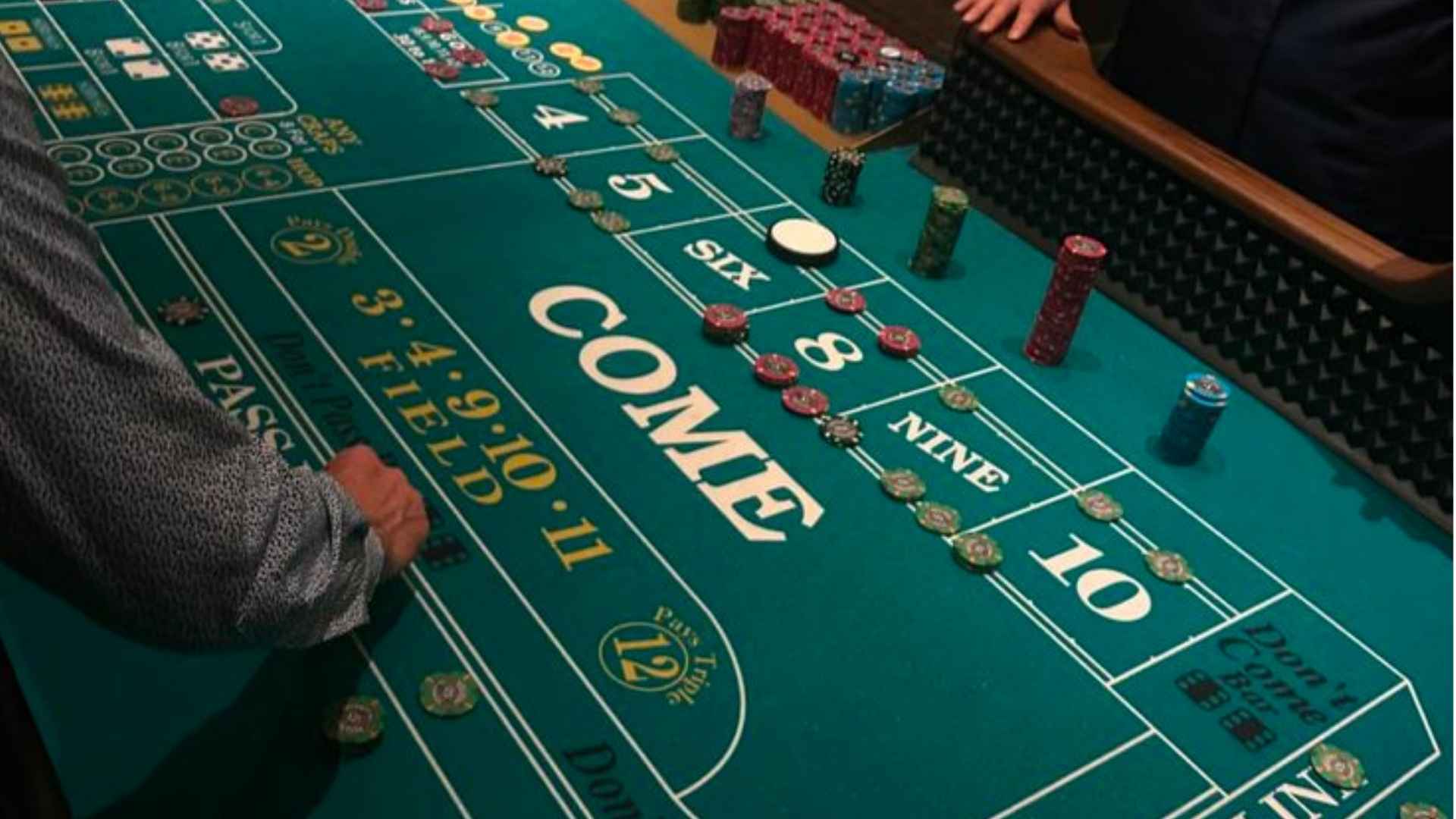
Mastering the art of card gaming requires far more than just understanding the basic rules of the deck. True success lies in your ability to make deliberate decisions about which cards to keep, discard, or play at critical moments. Developing a structured approach to selection can dramatically elevate your win rate in any competitive setting.
Evaluating Card Value in Real Time
Every card in your hand possesses a fluctuating level of strategic value based on the current state of the game. Beginners often hold onto high-value cards too long, failing to recognize when a tactical shift is necessary to maintain momentum. Evaluating your options during each turn allows you to adapt to your opponents' defensive setups effectively.
Furthermore, understanding the mathematical probability of drawing specific cards can help you make more calculated decisions. Knowing the remaining contents of the deck minimizes guesswork and prevents you from chasing unlikely combinations. To explore platforms that offer excellent competitive environments for testing these skills, checking out the M88 link alternatif portal can provide valuable insights.
The Art of the Strategic Discard
Selecting which card to discard is just as crucial as deciding which one to keep throughout a match. A premature or careless discard can accidentally feed your opponent the exact resource they need to complete their strategy. Veteran players analyze their rivals' previous moves to ensure their discarded cards do not offer any immediate advantages.
Additionally, discarding can be used as a powerful psychological tool to mislead competitors about the contents of your hand. By throwing away cards that suggest a different strategic route, you can force your opponents to make defensive mistakes. Consistent practice of this subtle technique helps build the mental discipline required for high-stakes card environments.
Developing Observation and Tracking Habits
To consistently execute tactical card selection, you must closely observe the behavior of everyone sitting at the table. Tracking which cards are drawn from the discard pile offers valuable clues about the hidden hands of your competitors. This analytical habit allows you to anticipate threats before they manifest and adjust your card selection accordingly.
Over time, this heightened awareness transforms your gameplay from a series of reactive moves into a proactive strategy. You will find yourself making faster, more confident decisions even when under intense tournament pressure. Cultivating these observation skills is ultimately what separates casual card enthusiasts from consistent winners.
Building Long-Term Consistency
Achieving victory in a single match can sometimes be attributed to luck, but long-term success requires steady tactical discipline. Players who prioritize steady execution over risky, high-reward plays tend to achieve far more stable tournament standings over time. Establishing a repeatable routine before and during your games keeps your focus sharp and prevents emotional decision-making.
Ultimately, treating every session as a learning opportunity allows you to refine your card selection habits continuously. Analyzing your past errors and identifying areas of improvement ensures that your strategic approach remains highly adaptable. This dedication to constant self-evaluation is the final cornerstone of professional-level play.