Building Math Skills One Game at a Time
21 July 2026 | 194
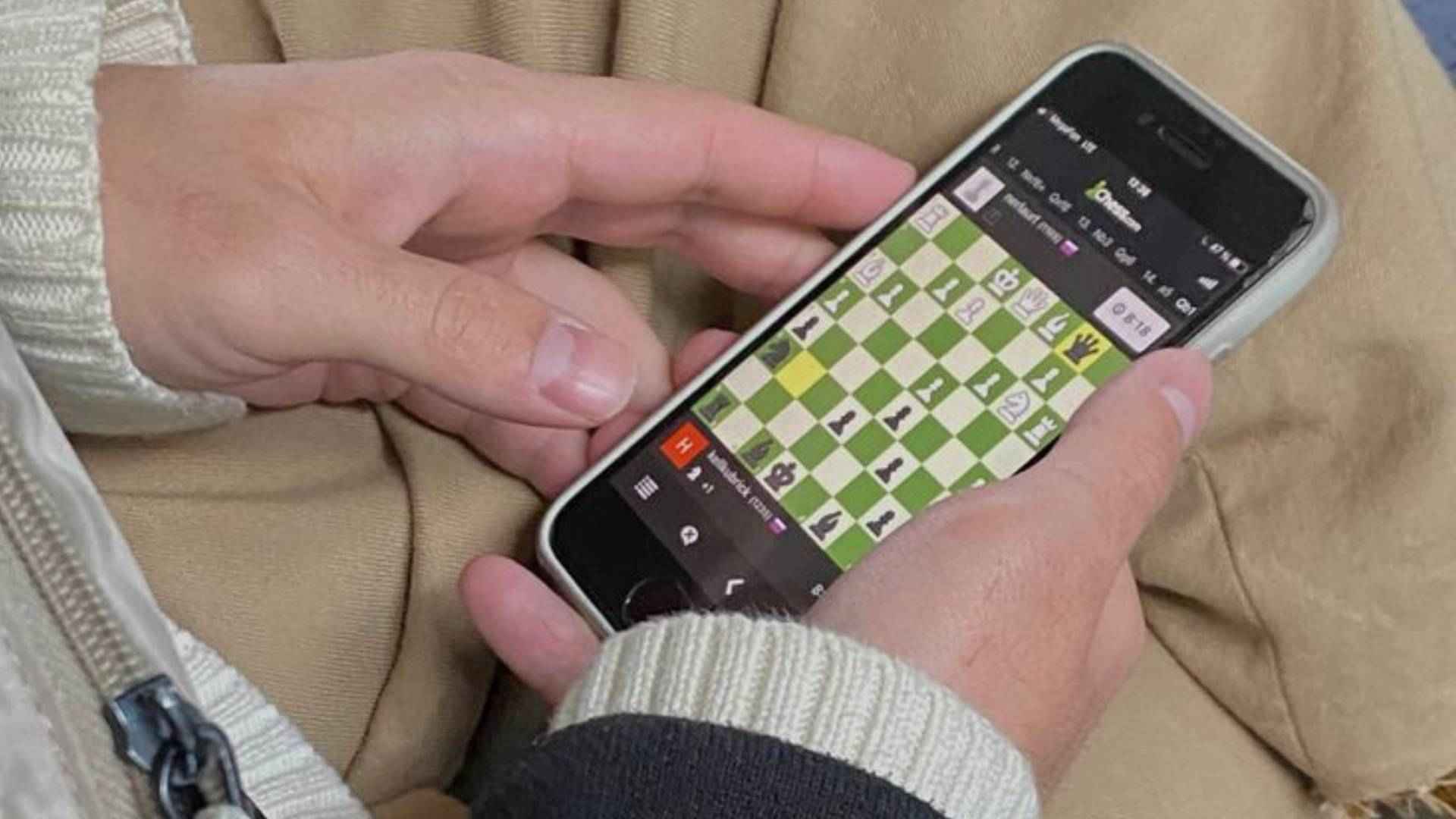
Many students find traditional mathematics instruction intimidating when it relies solely on memorizing equations and completing repetitive worksheets. Integrating strategic gameplay into the learning process presents a dynamic alternative that transforms abstract principles into engaging challenges. By interacting with mathematical concepts in a playful setting, individuals develop a more intuitive understanding of foundational logic.
The Power of Active Learning in Classrooms
Educational environments are increasingly adopting interactive methods to improve student engagement and information retention. Active participation allows learners to experiment with tactical choices and observe numerical outcomes in real time. This hands-on approach shifts the educational experience from passive listening to critical analysis.
When students play games that incorporate mathematical calculations, they learn to process complex details more systematically. Utilizing structural challenges helps younger minds build logical thinking without experiencing traditional academic stress. Over time, these consistent mental exercises reinforce mathematical agility and problem-solving techniques.
Developing Strategic Thinking Through Play
Modern games often require players to evaluate risks dynamically while adapting to randomized scenarios. Navigating these unpredictable elements forces the human brain to move past emotional reactions and rely on structured reasoning instead. This mental discipline directly translates to daily decision-making processes in professional and personal environments.
For those looking to explore digital platforms that utilize randomized systems, finding a reliable portal is highly beneficial. Platforms such as M88 link alternatif offer secure digital spaces where users can observe the mechanics of distribution algorithms firsthand. Studying these operational models helps enthusiasts appreciate the rigorous calculations behind virtual interactive structures.
Bridging the Gap Between Theory and Practice
Abstract formulas often feel disconnected from reality until they are applied to practical, high-stakes scenarios. Games serve as a safe sandbox where players can test different statistical hypotheses without real-world consequences. Experiencing the immediate results of a choice helps clarify the relationship between independent and dependent variables.
Fostering an early interest in quantitative concepts sets a strong foundation for future technical learning. By transforming standard puzzles into collaborative milestones, educators can naturally inspire curious minds to pursue advanced fields. This steady development demonstrates that mathematical literacy can be achieved gradually, one engaging step at a time.